Sewer Maintenance in Denver County, CO
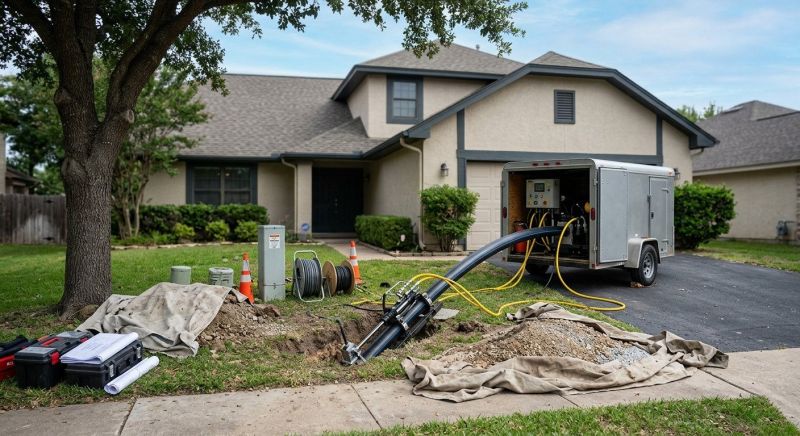
Sewer maintenance services involve inspecting, cleaning, and repairing underground sewer lines to ensure proper flow and prevent backups. These projects typically include clearing blockages caused by debris or grease buildup, repairing damaged pipes, and addressing issues like tree root intrusion. Property owners often request sewer maintenance when experiencing slow drains, foul odors, or recurring backups, and understanding the scope of work helps determine the appropriate solutions for their plumbing system.
Before requesting sewer maintenance, homeowners should consider the age and condition of their plumbing system, as well as any recent issues such as unusual sounds or water pooling around the property. It’s also helpful to know if there have been previous repairs or known pipe problems in the area. Proper assessment and planning can help identify potential concerns early and ensure that the sewer system functions efficiently, reducing the risk of more extensive and costly repairs in the future.
Many property owners in Denver County, CO look into Sewer Maintenance for repairs, replacements, upgrades, and appearance-related improvements.
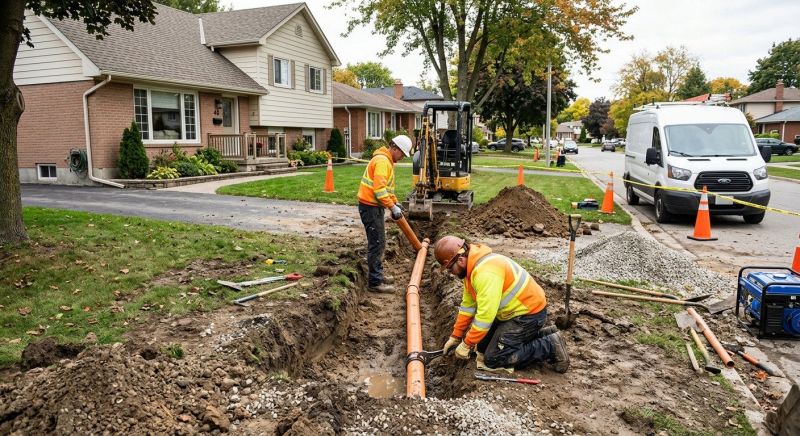
Drain Clearing And Unclogging
Removing blockages to restore proper flow in residential and commercial sewer lines.
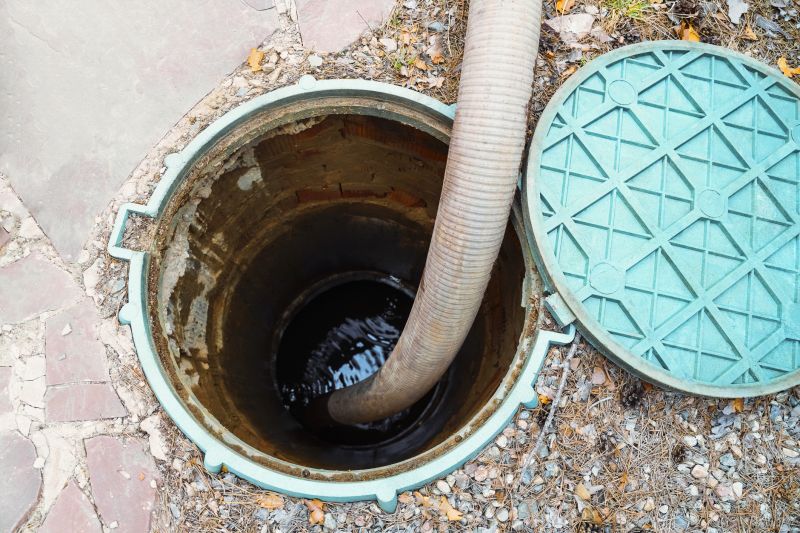
Pipe Inspection And Diagnostics
Using camera technology to identify issues within sewer pipes and prevent future problems.
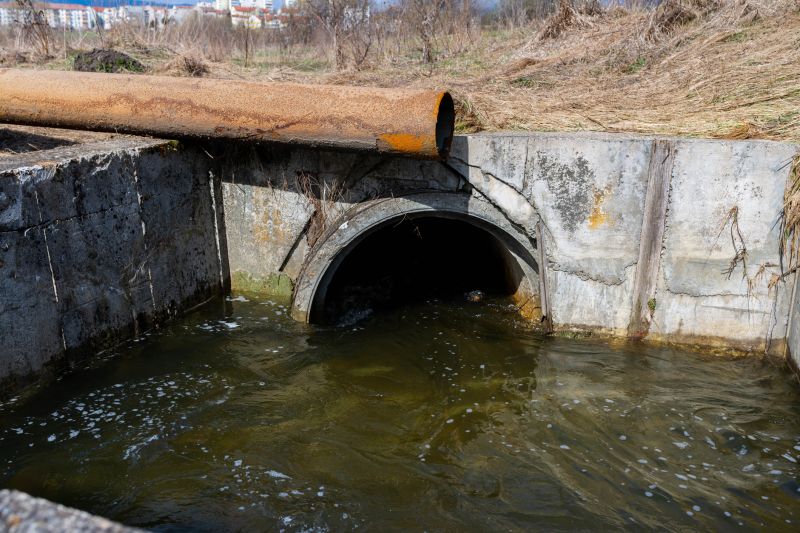
Sewer Line Repairs And Replacement
Addressing damaged or broken sewer lines to ensure reliable waste removal for homes in denver county and nearby areas.
Sewer Maintenance in Denver County, CO

Sewer maintenance services involve inspecting, cleaning, and repairing underground sewer lines to ensure proper flow and prevent backups. These projects typically include clearing blockages caused by debris or grease buildup, repairing damaged pipes, and addressing issues like tree root intrusion. Property owners often request sewer maintenance when experiencing slow drains, foul odors, or recurring backups, and understanding the scope of work helps determine the appropriate solutions for their plumbing system.
Before requesting sewer maintenance, homeowners should consider the age and condition of their plumbing system, as well as any recent issues such as unusual sounds or water pooling around the property. It’s also helpful to know if there have been previous repairs or known pipe problems in the area. Proper assessment and planning can help identify potential concerns early and ensure that the sewer system functions efficiently, reducing the risk of more extensive and costly repairs in the future.
Many property owners in Denver County, CO look into Sewer Maintenance for repairs, replacements, upgrades, and appearance-related improvements.
Common Sewer Maintenance Jobs
Drain Line Inspection - using cameras to identify blockages and pipe damage.
Clog Removal - clearing obstructions to restore proper sewer flow.
Pipe Repair and Replacement - fixing or replacing damaged sewer pipes to prevent leaks.
Grease Trap Maintenance - cleaning and inspecting grease traps to prevent build-up and backups.
Sewer Line Cleaning - removing debris and buildup to improve sewer system efficiency.
Preventive Maintenance - routine checks to help avoid costly sewer issues.
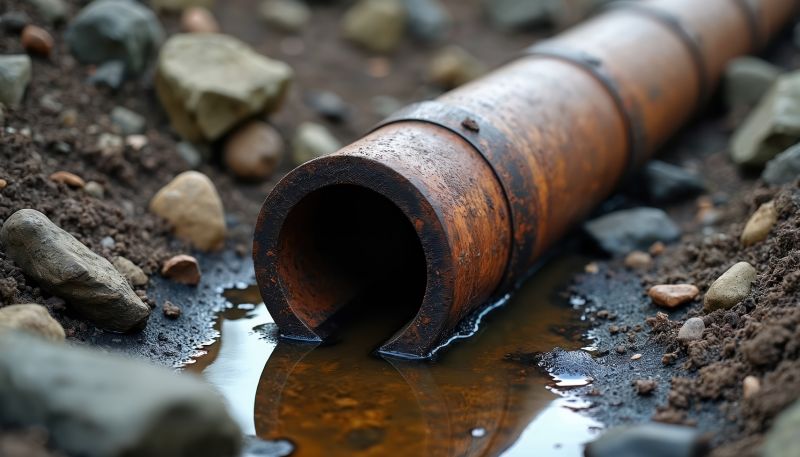
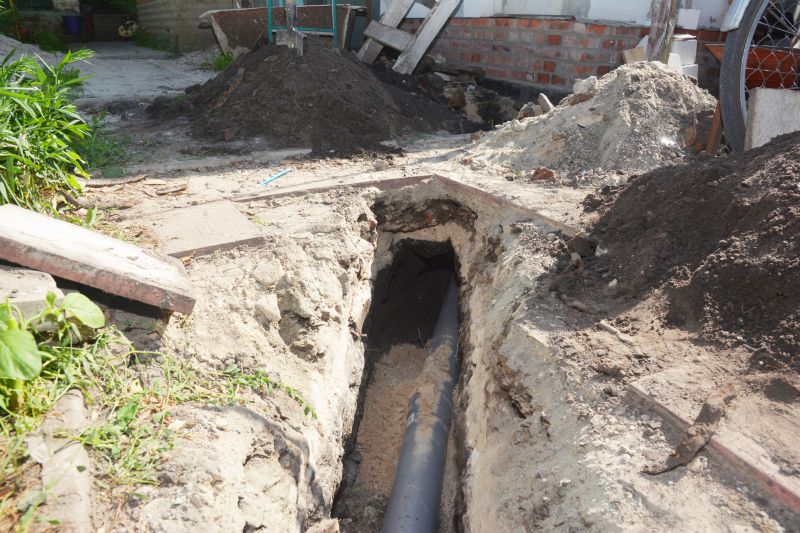
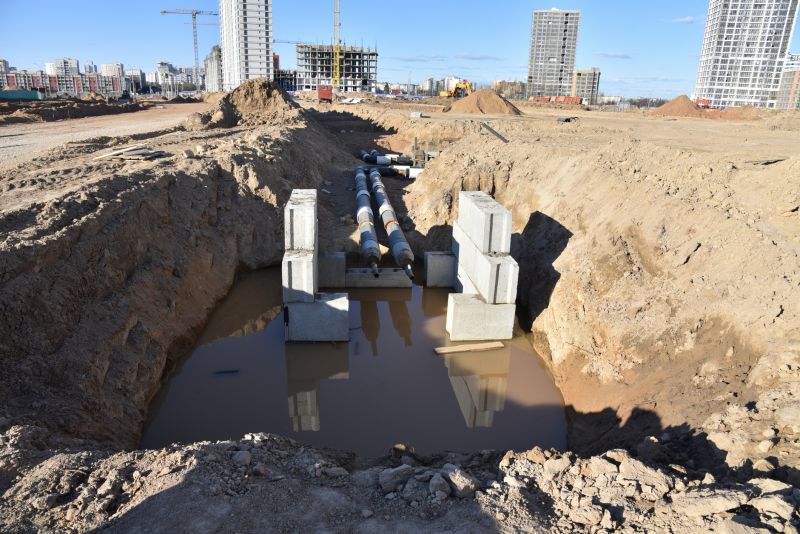
Sewer Maintenance Questions
What is sewer maintenance? Sewer maintenance involves inspecting, cleaning, and repairing sewer lines to prevent blockages and leaks, ensuring proper waste flow from a property.
Why is regular sewer maintenance important? Regular sewer maintenance helps avoid backups, reduce odors, and prevent costly repairs caused by clogs or pipe damage.
What types of sewer issues are commonly addressed? Common issues include clogs, tree root intrusion, pipe corrosion, and broken or cracked sewer lines.
When should sewer maintenance be scheduled? Sewer maintenance is recommended when experiencing slow drains, foul odors, or recurring backups, or as part of routine property upkeep.
Request Sewer Maintenance in Denver County, CO
Use the quote form on this page to share the basics of your project and request more information for the type of work you need.